The use of fragrances dates back to ancient times. As early as the 3rd century BC, there were records of incense in cities along the Indus River in India. The flavorings used in e-cigarette eliquids are also derived from fragrance materials.
Ancient civilizations such as China, India, Egypt, and Greece were among the earliest users of fragrances. Most of the fragrances used in ancient times were natural extracts from aromatic plants or secretions from animals. They were commonly used for medicinal purposes, bathing, religious rituals, or as food flavorings. Due to the strong antibacterial properties of certain natural fragrances, they were also frequently used for fumigation, embalming, and corpse preservation.
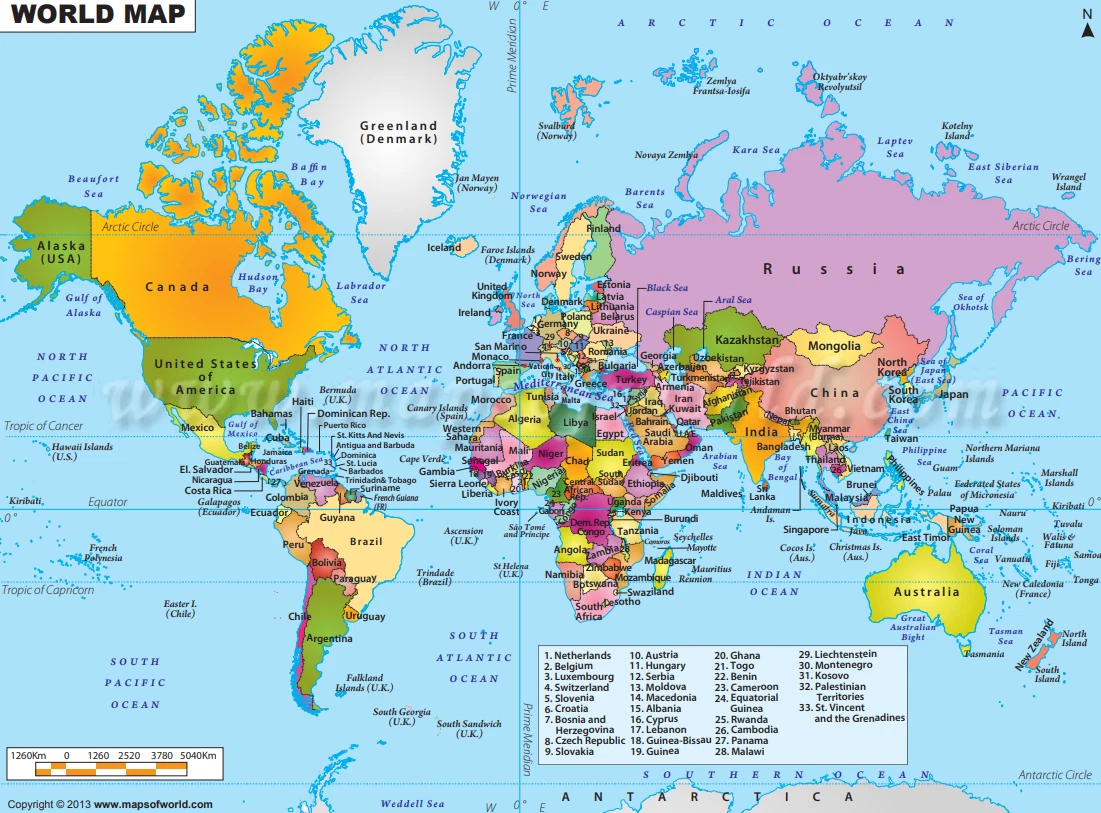
China not only has a long history of fragrance usage but was also one of the earliest countries to engage in the fragrance trade. Ancient Chinese fragrance trade corresponded with the overland Silk Road and also formed a Maritime Spice Route through Quanzhou. Fragrances such as camphor, frankincense, and musk were exported to Europe via Japan and Egypt.
Between the 8th and 10th centuries AD, people had already learned to separate fragrances through distillation. In the 13th century, terpene compounds were first isolated from essential oils. By the 15th century, the use of fragrances had become a symbol of luxury among the ruling classes in many countries. With advances in science and technology, the synthetic fragrance industry began to emerge in the 19th century. Today, a wide variety of scented products have become indispensable in people's daily lives.
Now, let’s explore some key concepts related to fragrance and flavor substances.
Fragrance is materials that emit aroma or flavor and are used as raw materials in the preparation of perfumes or flavorings.These substances can be natural or synthetic. Natural fragrance substances are further divided into those derived from animals and those derived from plants.
Fauna natural fragrance substances refer to the secretions or excretions of specific animals.They are obtained from aromatic parts of plants—such as flowers, branches, leaves, roots, bark, stems, seeds, or fruits. They are produced through methods such as steam distillation, maceration, expression, or absorption, resulting in products like essential oils and concretes. Examples include rose oil, jasmine macerate, vanilla tincture and narcissus concrete.
Most isolates extracted from natural essential oils can also be synthesized through organic synthesis. Apart from differences in unstable isotope content due to their origins, isolates and synthetic fragrance substances have no inherent differences in olfactory characteristics or applications.
Fragrance or flavor substances obtained through chemical synthesis or isolation are referred to as synthetic fragrance substances. Currently, there are more than 5,000 types of synthetic fragrance substances worldwide, with over 3,000 commonly used in products.
A fragrance compound is a mixture of multiple fragrance substances and corresponding additives, formulated to achieve a specific scent for use in perfuming products. Since most natural and synthetic fragrance substances have relatively simple or monotonous aromas, they generally cannot be directly used in products and must first be blended into fragrance compounds.